 Antidote Magazine
Oyun Means Play: Sosyete ’25 Start the Commotion
I should admit up front that I am not, by nature, a person who dances. I am a person who stands near the dancing, holding a drink I don’t want, mentally drafting the text that explains why I left early. So when I tell you that Sosyete ’25 made me dance alone in my kitchen on a weeknight, in socks, with the blinds wide open, I need you to understand it as something close to a medical event.
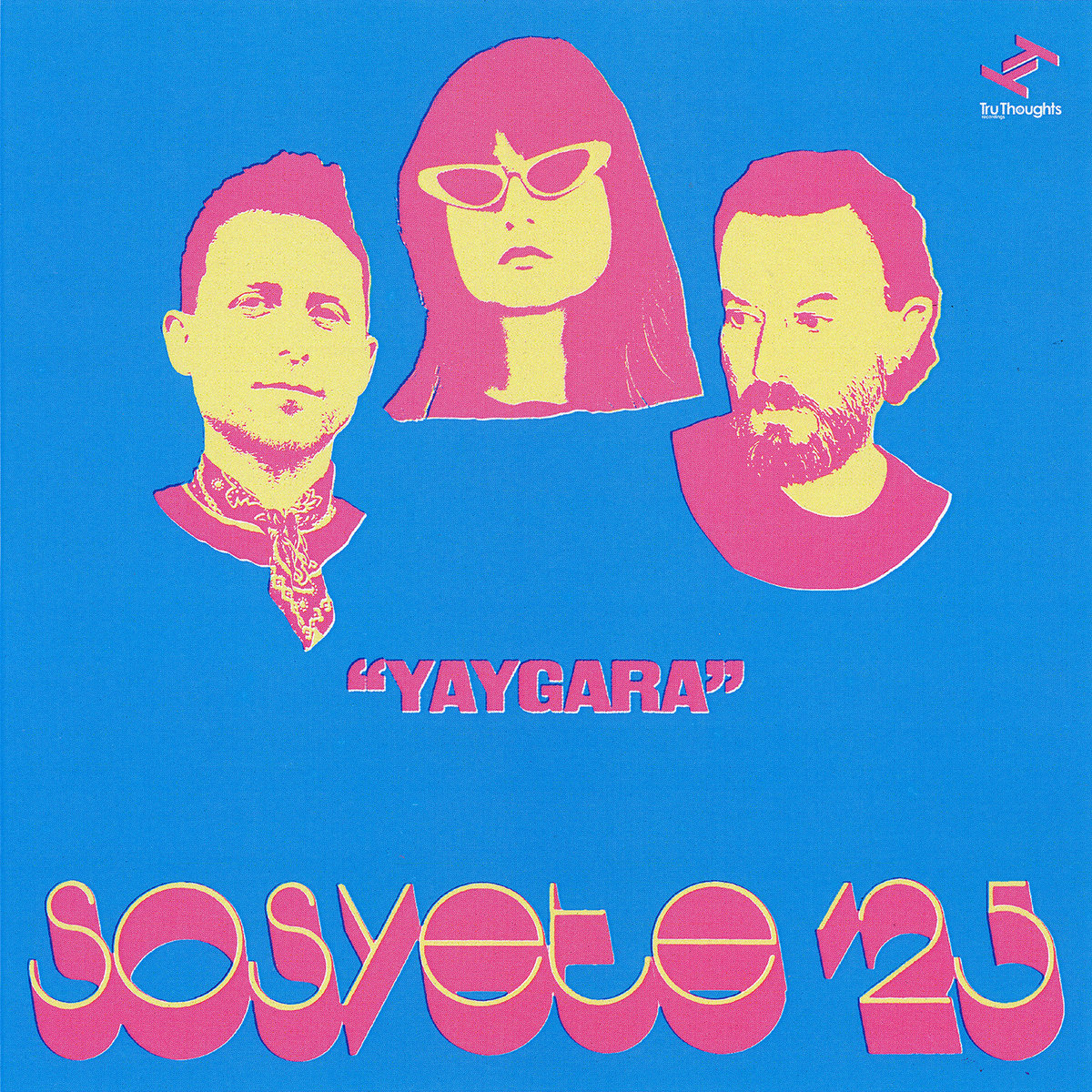
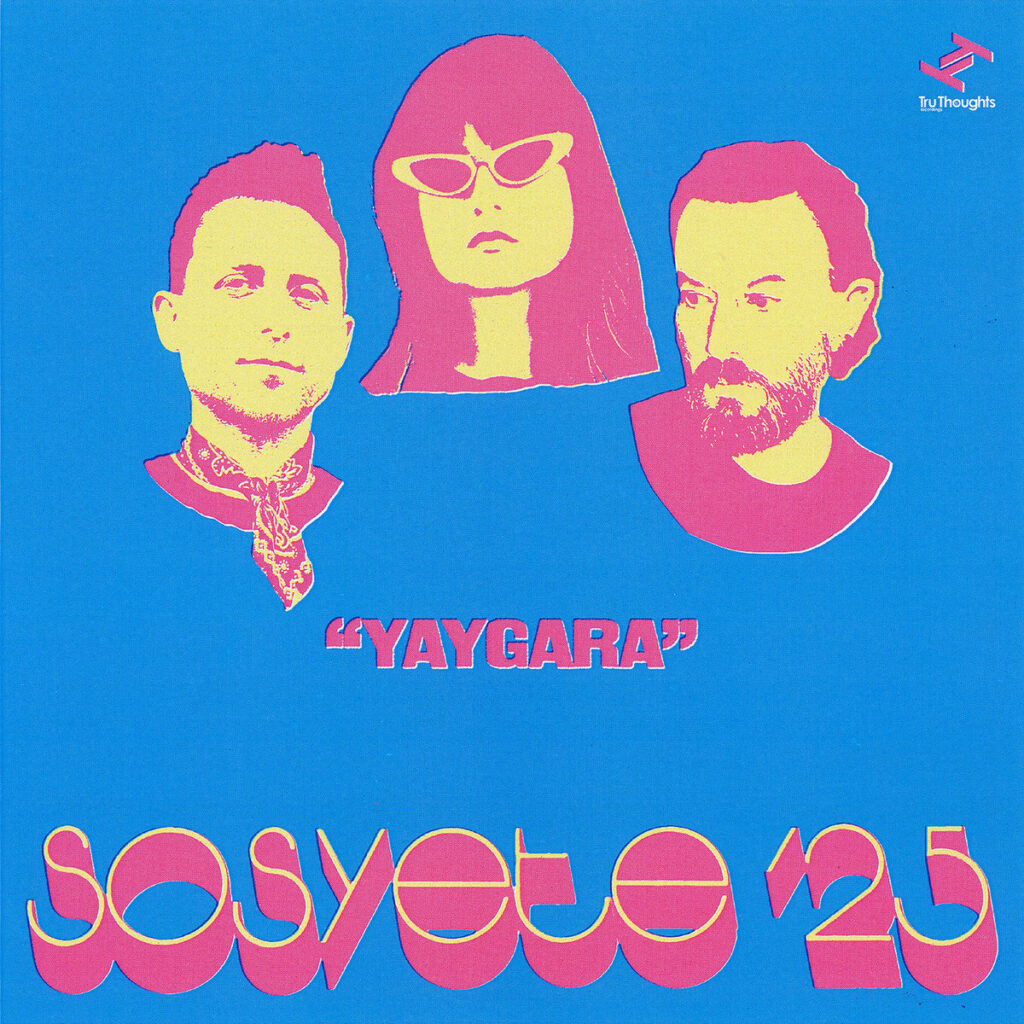
They’re a trio built like a supergroup and playing like a party, which is a sentence I hate myself a little for writing, but it’s true. Merve Erdem, the Istanbul-born, London-based singer from Kit Sebastian, is up front. Glenn Fallows, the Brighton guitarist behind the Globeflower Masters, is on chords. And Paul Elliott, the Suffolk producer whose credits run from Call Sender to Asha Puthli to Bacao Rhythm & Steel Band, holds the whole thing down with the calm of a man who has never once cried in an airport bathroom. Their debut album is called Yaygara, Turkish for commotion, and it earns the name in about thirty seconds, which is less time than it takes me to choose a podcast.
Start with “Oyun,” which means play, and which does exactly that: disco funk with a wink, built on an early-eighties chassis and driven like it was stolen. Merve sings everything in Turkish. I don’t speak Turkish. I speak English, some restaurant French and fluent apology. It did not matter even slightly. A groove, it turns out, translates faster than any app.
The hook is a refusal to be everything to everyone, delivered like a toast from the one person at the wedding who’s actually having a good time. Nobody can be all things to all people, it says, so dance instead. I have paid a therapist real money to tell me roughly that. Merve tells you for free, and you can move your hips to it.
Don’t mistake the lightness for shallowness, a mistake people have been making about women who look like they’re enjoying themselves for approximately all of history. The album opens with “Bilmece,” where Merve treats existence itself as a riddle with no answer and drifts through it like smoke, and the title track turns love into an act of joyful rebellion. These are proper songs, written by people who have done their time in other bands and brought the best of it with them: Mediterranean disco-pop, outernational funk, Turkish poetry and a shared, almost psychic sense of the exact moment a track should lift.
Yaygara is nine tracks of movement, colour and nerve, and it’s the most fun I’ve had with a record this year. It isn’t close. Start with “Oyun,” then try to sit still. You will fail. I failed in socks, in front of an open window, and I regret nothing.