Coconut Diaries: Gringa’s Adventures In South America
LONE TRAVELLER
When you’re gearing up for a big trip, people want to know why. Especially if you’re a girl travelling alone in South America for four months. The assumption is that you are mending a broken heart, or you are “lost” and trying to “find yourself”. In my case, neither of these reasons quite apply.
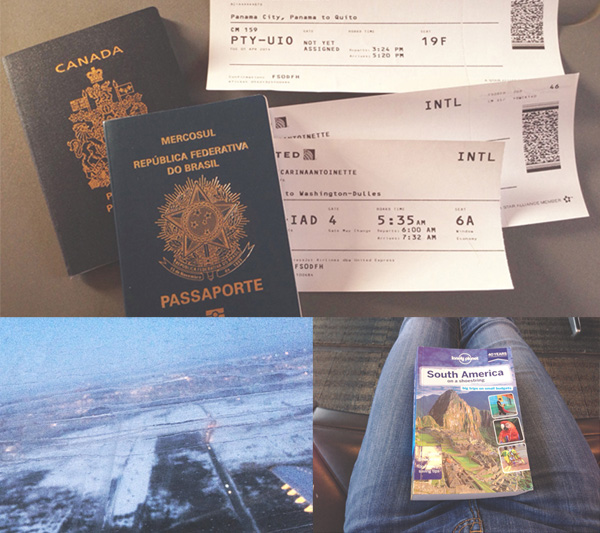
As a late-twenty-something girl who spent the past eleven months sleeping in her childhood single bed at her parent’s house (teddy bear bedding included), and working three jobs to pay off student loans (in this never-ending, bone-chiller of a winter, no less), this is more a case of I-need-some-adventure-or-else-I’ll-Sylvia-Plath-myself. The idea is to get away, somewhere warm, with no plans and plenty of options. Which brings me to my current location, aboard Copa Airline’s flight to Panama City. I’m heading to the cobble stoned streets of Quito, Ecuador, where my four month adventure will begin. While my trip is largely unplanned, my aim is to be sipping a caipirinha on Rio’s Ipanema beach, in time for the beginning of the World Cup, sometime mid-June. As I sit here, my face to the sun beating on my passenger window (a sensation I haven’t felt, it seems, in nearly seven months), I can’t help but feel ripples of excitement and anticipation. And if I can come out of this experience without malaria or yellow fever (because I neglected to be immunized… let’s not talk about it), I should have my pulse back in time to get back to the daily grind.
The Galapagos Island
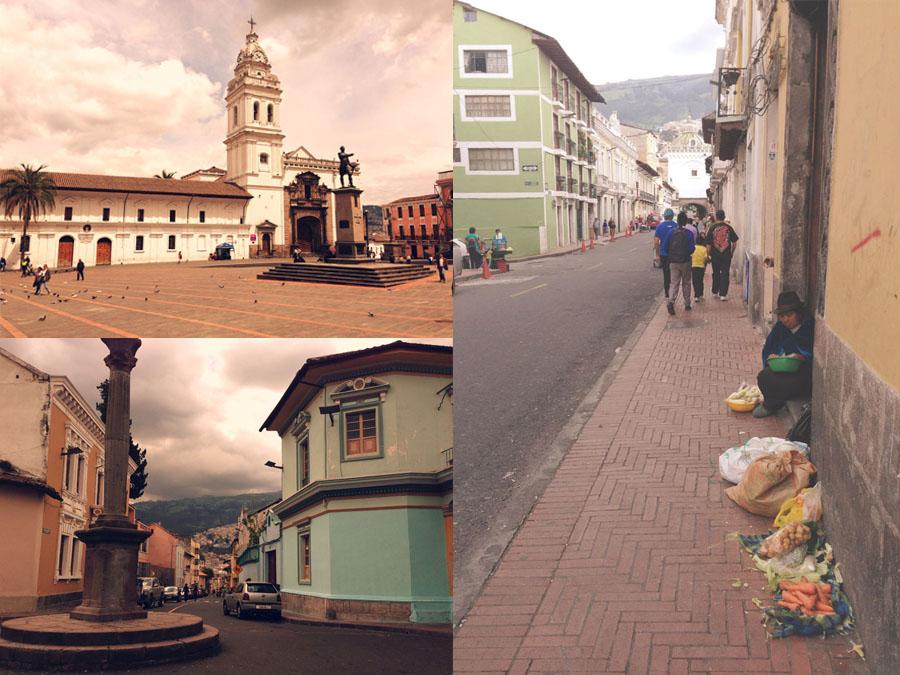
I can’t believe two weeks have already passed! Since arriving in Quito, I’ve spent ten glorious days in the Galápagos Islands, flown back to Quito, and made my way into Colombia by bus. My three days in Quito were great – just enough time to explore the Old Town’s beautiful architecture and get a vicious case of food poisoning (I suspect it was street food… 2am taco stand outside the bar, who could say no?).
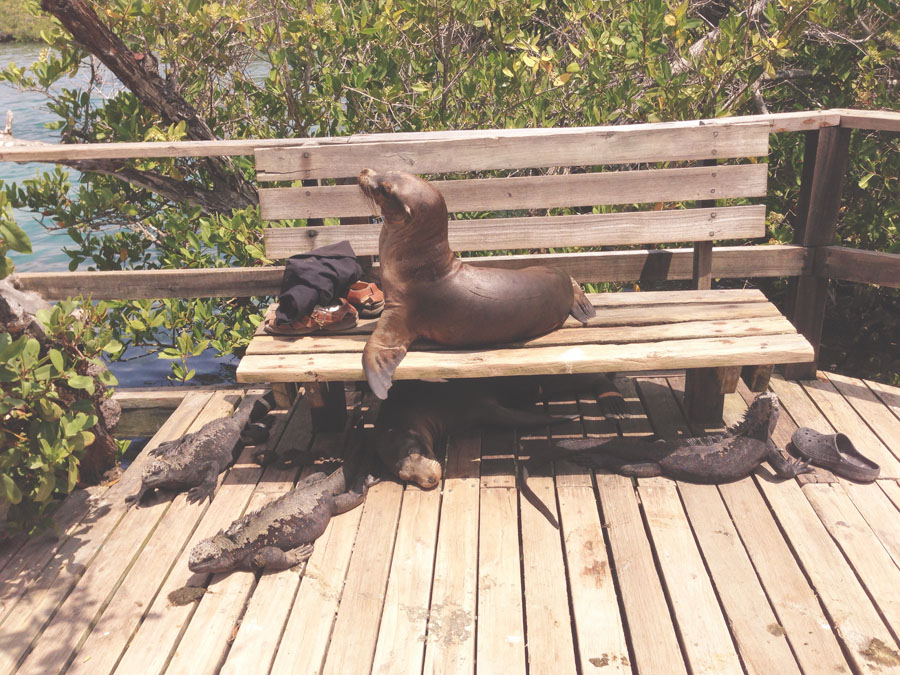
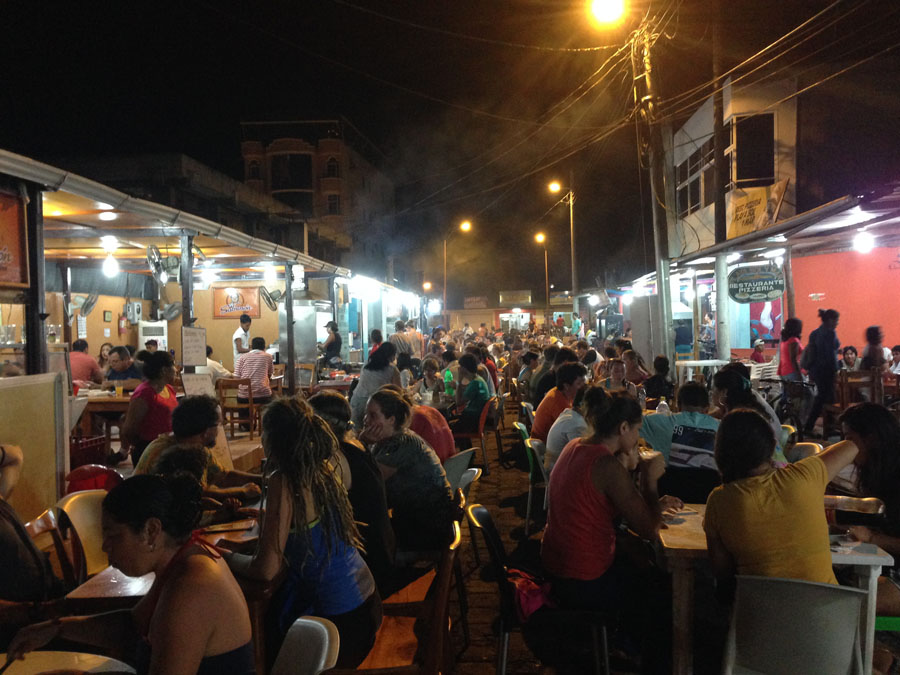 Despite the day spent in bed recovering, I was able to organize my trip to the islands, and was on my way to the airport as soon as I could keep fluids down. As a biology student, I had learned quite a bit about the Galápagos, mostly in relation to Darwin and the theory of natural selection. When a friend of mine who is an avid scuba diver mentioned it was the best diving she had experienced, I knew I couldn’t pass up the opportunity. What awaited me, however, was much more than I could have ever imagined. In short, Galápagos is a magical and strange place! Never have I been to a place where the animals are unrestricted in their movements and treated so reverently. As a result, they are unthreatened and unthreatening. Sea lions sun bathe and swim everywhere; their presence is akin to that of the domesticated dog. They will even help themselves on to the docked boats, or lay on a bench right next to you. Birds of every beautiful species come right up to you, and iguanas are as numerous as squirrels are in North America. Penguins, flamingos and the famous Blue Footed Boobies are just some of the creatures that are “normal” in Galápagos.
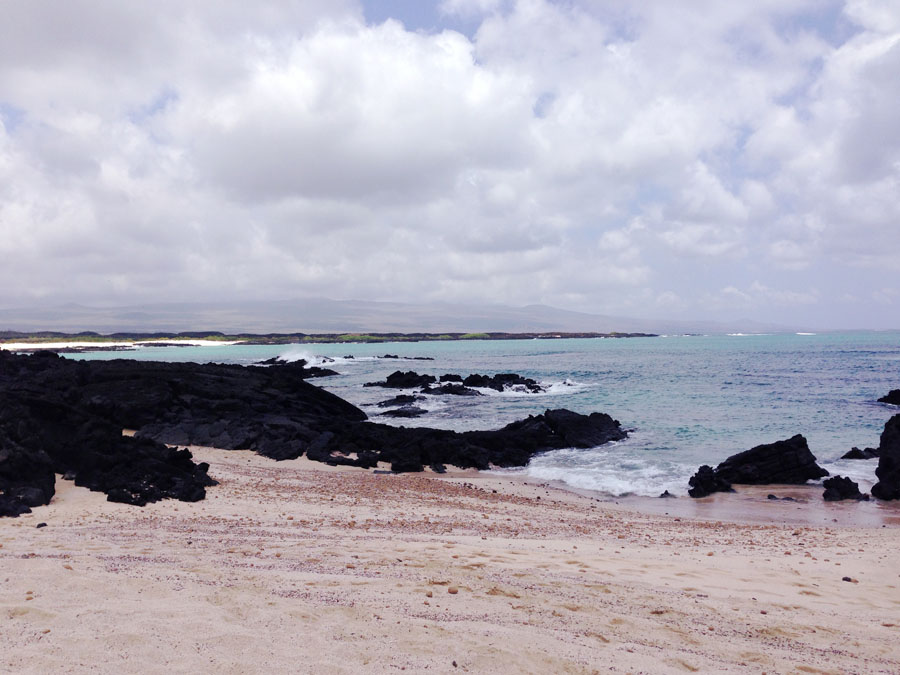
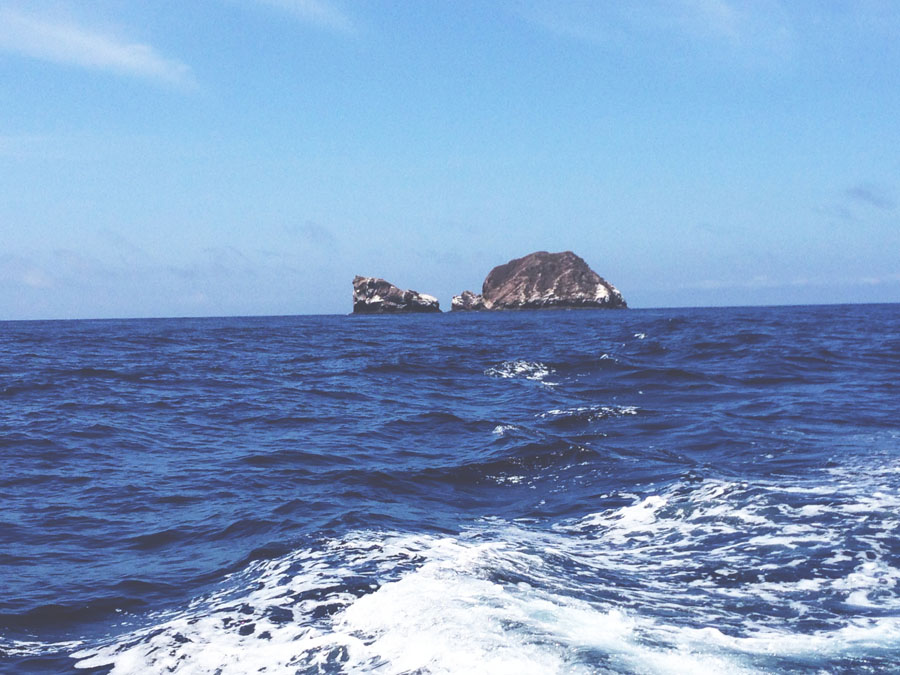
My friend was right about the diving. I went on six dives (most of my budget!) and was blown away every time. Hammerhead sharks, turtles, white tip sharks, black tip sharks, manta rays, and schools and schools of the most colourful and exotic fish were a regular sight for divers and snorkellers alike. On my second day there, I met a Brazilian geologist and we ended up traveling to the different islands together for the rest of the week. Through him, I developed an even greater appreciation and understanding of this special place. We visited Los Tuneles, an area where the volcanic lava formed into little tunnels with cacti sprouting from the rocks. It was both beautiful and mystifying – the feeling of the sublime where you are simultaneously humbled and awed by what nature can do over millions of years.
There were moments when I truly felt like I was standing on untouched land, and other heartbreaking moments when the footprint left by tourists and locals was very visible. I wonder how much longer they will be able to keep this up, even with the restrictions on fishing and migration (the only way for Ecuadorians to live in Galápagos is to marry someone who has Galápagos citizenship!). Even with these restrictions, the population has substantially grown over the past few years. Evidence for more growth is everywhere, with construction on the islands of Isabela and Santa Cruz. While I clearly appreciate being one of the lucky to visit these special islands, a little part of me feels guilty for being part of its slow demise. Overwhelmingly, though, I’ve come away from this experience with more respect for the Earth and a little glimpse of what it might have been like before humans industrialized it.
Colombia: San Augustin & Cali
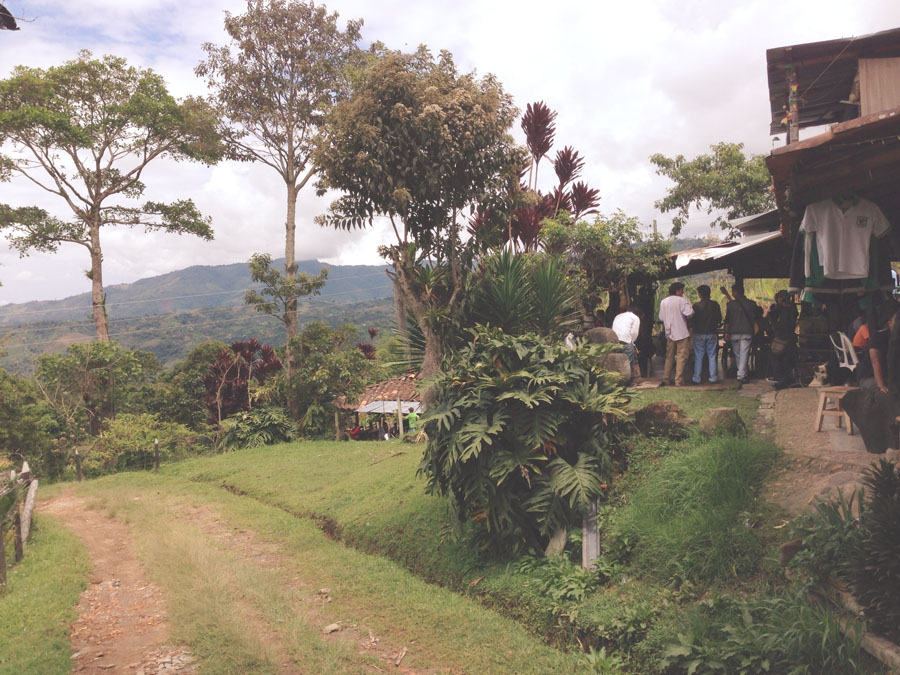
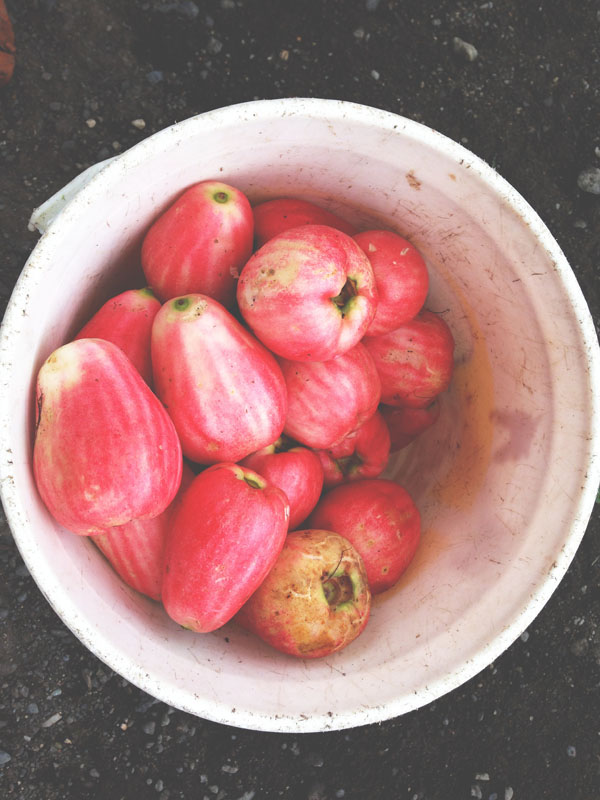
After ten days in paradise on the Galápagos Islands, it was time to head back to city life. And so began my long journey towards my first Colombian destination, San Augustin. After two consecutive days of very long and windy bus rides (and an entire kilo of Gravol), I arrived at Casa de Nelly, my home for the next few days. Set atop a hill in a beautiful finca (farm), with a garden and fresh exotic fruit from their very own trees, not to mention hammocks galore, this place was my new paradise. I quickly made friends with the hostel’s two managers, Harry and Gustavo, and my pre-planned two-day stay turned into five.
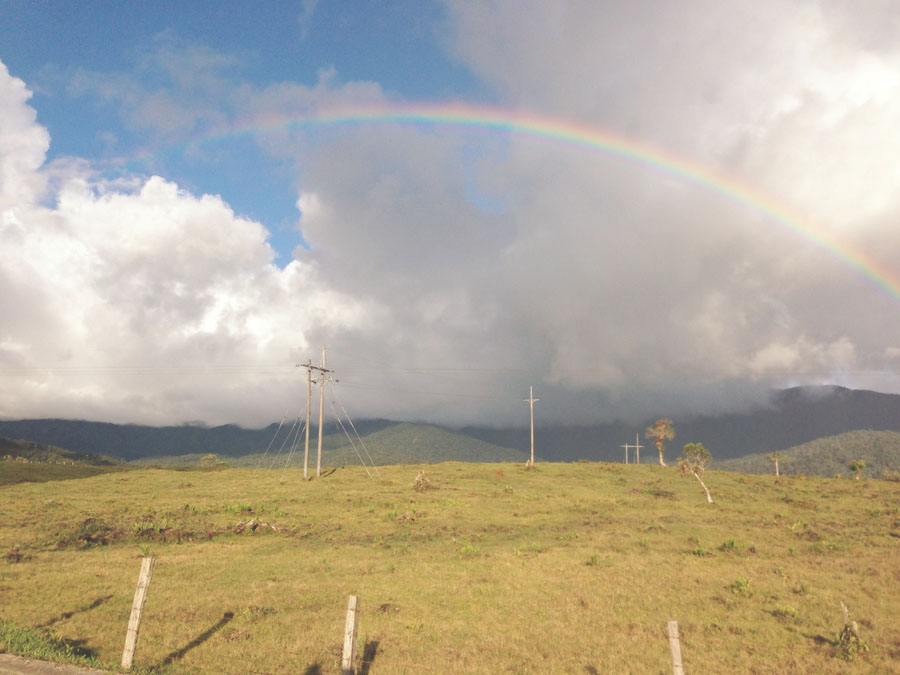
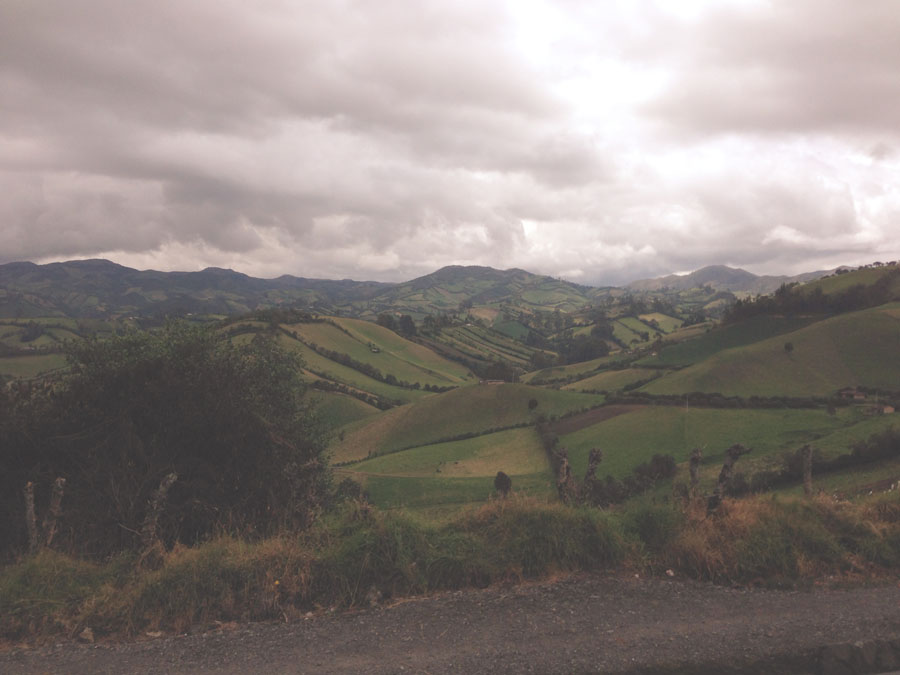
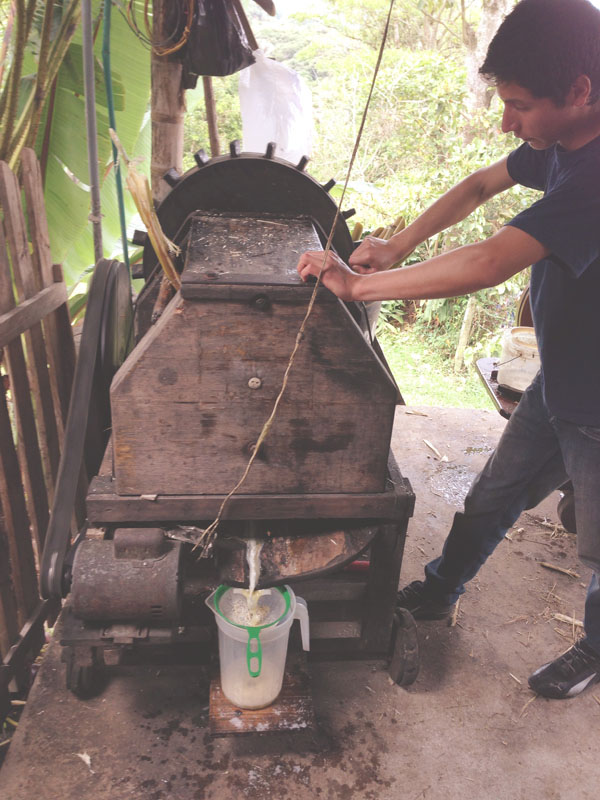
The only problem with a place this beautiful is that the temptation to do nothing but drink beer, smoke some of the land’s goods and listen to Marley while swinging in a hammock are very high (no pun intended). After indulging in a little R&R, my new hostel mates and I set out to see the sights. San Augustin’s main attractions are the hundreds of monumental statues that decorate the countryside – the remains of a now disappeared tribe. You can opt to walk the different archeological sites, or take the more popular option and do it by horse, which was my original plan. I had, however, overlooked one minor detail – I had arrived smack in the middle of Semana Santa (Holy Week), which is an entire week of holidays for Easter in the Latin world. With the hundreds of families flocking into the city, getting in to see the monuments was quite the ordeal, and getting a horse was impossible. After two attempts we made it in (by foot), and it was very worth it. While the monuments were interesting, I was completely taken by the traditional Colombian band that was playing live music at a little bar near the very top of the mountains. Listening to these guys play, with a fresh sugar came drink and a view of San Augustin’s green rolling hills as a backdrop was by far the highlight of my day. Despite the madness of Semana Santa and the crowds at every corner, it was nice to see families spending time together and the Colombian Easter traditions. It was also so nice to have found a family away from home at Casa de Nelly for the Easter holidays, and that night we made a home-cooked meal while The Passion of the Christ played somewhat ironically on the television. Harry and Gustavo run the hostel like their home, and as a result the atmosphere is exactly that – homey.
I particularly enjoyed learning about Colombia’s violent and fascinating history during an afternoon chat with Harry, something I think every traveler should take the time to do when traveling in a new country. Harry encouraged me to visit a few places off the beaten track to see how most Colombians really live instead of sticking to the pretty, tourist destinations. I plan on taking his advice.
While San Augustin was the perfect relaxation spot after a few days of non-stop travel, my inner salsa goddess was aching for a fix. Early the next day, my new French travel partner and I packed our bags and headed to Cali; salsa capital of the world! It’s hard for me to really say much about Cali. I was warned so many times about the crime; one time by a local who crossed the street in a panic to tell my friend to put her camera away. As a result, I was constantly on alert and a little less adventurous. There also really isn’t that much to do, unless you are into salsa. With the help of the lovely hostel owners at Maison de Violette, we hired a private salsa instructor ($7 an hour each) and danced our mornings away at home, and our nights in one of Cali’s many salsa clubs. Words cannot describe how much joy salsa brings me, and dancing in Cali is incomparable to any Latin nightclub in North America. The music is incredible, the dance floors are immense (usually partially outside so you can dance under the stars with a summer’s breeze blowing through your hair – very sexy!) and there is always a papi that wants to dance with you, mami! It is also very common to see some of Cali’s finest salsa school students whipping each other around the dance floor at speeds that do not appear to be humanly possible. If I could have stayed and enrolled in one of these schools (if they had a two-left-feet gringa division), I would have, but somehow I know this won’t be my last time in Cali. I’ll just have to find a papi in Canada to teach me some new moves, maybe next time I’ll be the one being whipped around the dance floor!
San Cipriano and Salento
We had been told about a little village near the pacific coast called San Cipriano that promised beautiful waterfalls. Although this was all we knew about this destination, we decided to head there because it was North-ish and I was slowly making my way to Bogota. After a four hour bus ride, we were informed by the very unfriendly bus driver that we had reached our destination. We obediently gathered our gear and got off the bus, only to realize that he was leaving us on the side of the highway, in a very sketchy part of Colombia (women have been turning up dismembered in Buenaventura, just 30 minutes down the same highway.) Before my panic was able to set in, a couple of teenage boys ran over to us and asked us if we were going to San Cipriano. A little reluctantly, we affirmed that indeed we were, and were then instructed to follow them. For fifteen minutes we walked with them as they led us to “La Brujita”. “La Brujita” is a mode of transportation made up of a slab of wood attached to a motorcycle and mounted onto a pre-existing railway. It is the only way to get into the little village which is on the other side of a large forest. We loaded all our luggage and squeezed onto this magic carpet, crossing ourselves and reciting the Lord’s Prayer.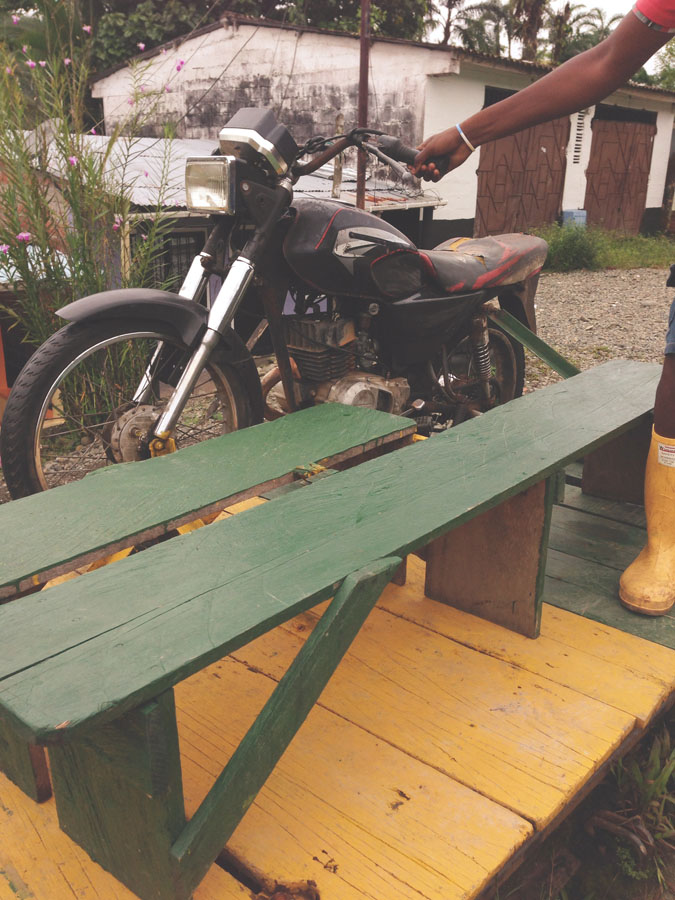
Eight near-death experiences later, we were safely motionless and thanking any god who would listen. Another teenage boy offered to find us a place to stay (I later found out that all these boys are related). He led us to what appeared to be his home – a structure made entirely of plywood and a roof of scrap metal. Lonely Planet wasn’t joking when they described the accommodations as “extremely basic”. Our guide’s mother took us to a bare, roofless room with two cots and mosquito nets. The shower consisted of a hose hanging between two cinder blocks, covered with a black tarp. Not wanting to be rude, but secretly wondering if all the accommodations in the village were like this one, we accepted to stay the night. A tour of the town (which can be walked in ten minutes) revealed that really was the standard of living.
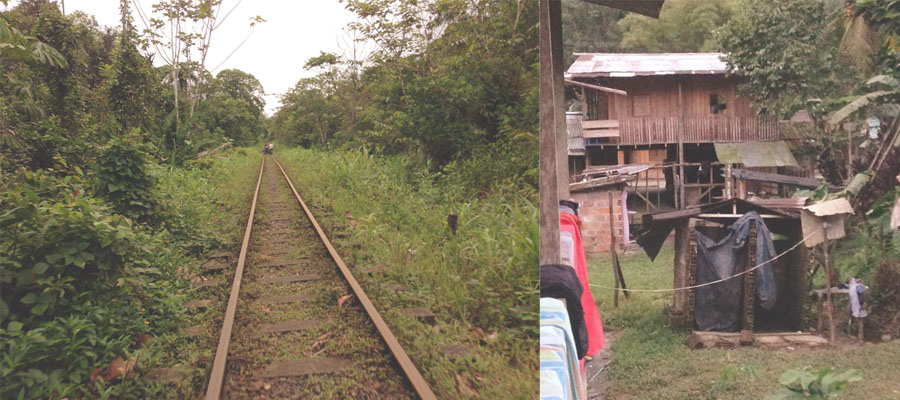 We passed homes and businesses made completely out of plywood and scrap metal, all of them without doors and open to the elements. The roads were dusty and unpaved, and the kids ran around shoeless and shirtless. We also noticed that everyone (and I mean everyone) was of African decent. Our neglect to research the destination had inadvertently landed us in Choco, one of Colombia’s poorest regions. I wasn’t unhappy with the turn of events, I just really wasn’t prepared for it. Then it dawned on me that this was exactly the kind of thing Harry had encouraged me to do – to get out of my comfort zone and see how many Colombians actually live. We met a group of French teachers, the only other foreigners around, and spent the evening doing what everyone seemed to be doing, hanging out and going to bed early. The next day we asked to be led to the famous waterfalls. Our host’s teenage son offered to take us, and our two hour jungle treck began. Sweaty and covered in red mud from the narrow pathways and the steep climbs, we arrived just in time to swim in the most beautiful waterfall, the first of many during my trip. I chatted with our guide on the way back, curious about his quiet life and about his plans for the future. He explained to me that the only industry in San Cipriano is tourism (how, I’m not sure, because we were almost the only ones there) and that although he had been to Cali a couple of times before, he loves living where he lives and his family business and has no interest in education or moving to the city. At first my Western self could not wrap my mind around this – why wouldn’t you want to move to the big city and have a shot at success, and all the nice material things the people in his village only see on TV? The answer came to me as I sat on a bench that evening and watched the neighbourhood boys happily play a soccer match on a dirt field, shoeless, and with an ancient and deflated soccer ball. This is his home, and these are his family and friends. While the conditions are less than favorable, the impression I got was that not one of these teenagers wished to be living elsewhere, they just wished to improve where they were. It was humbling to see people living with so little, and it really gave my impression and understanding of Colombia more depth. The disparity between the social classes here is a large one, as it is in many parts of the world. Being forced to spend a couple of days with no internet and with virtually no entertainment was also an eye opener. I became hyper aware of how much stimulation I need to be content. I found myself getting frustrated with what I was perceiving as a waste of time when we were forced to hang around doing nothing like the locals did all day and evening. Our lives are so go-go-go in urban cities, we often forget that this way of life is a choice, and not a necessity.
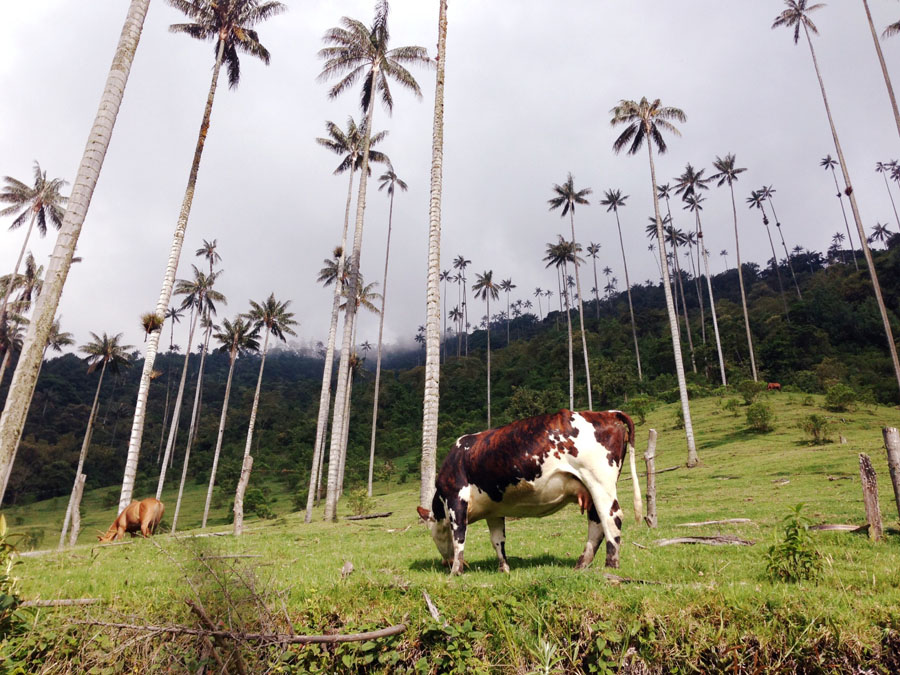
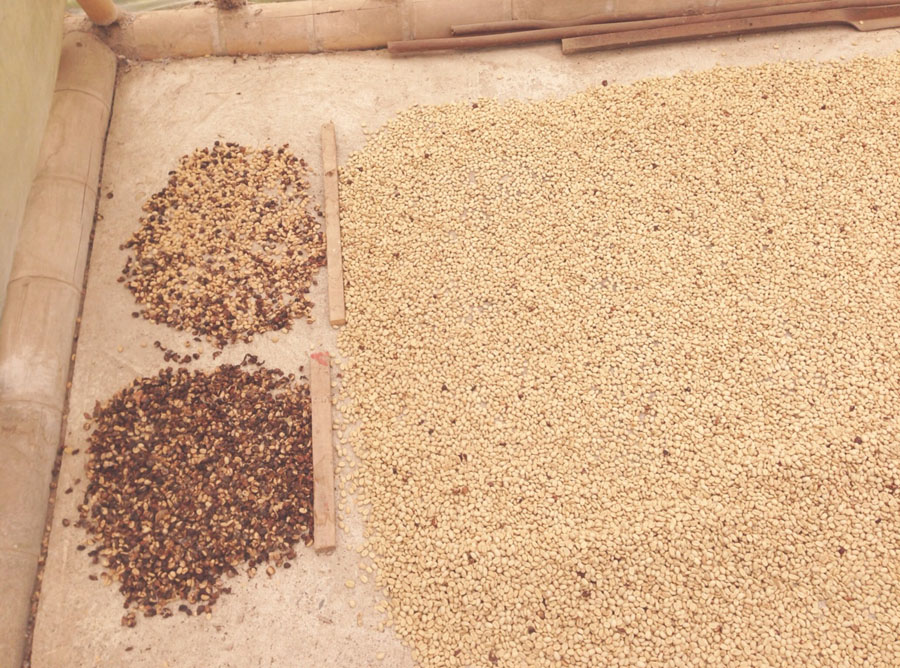
Grateful for our experience, but ready to move on, we boarded the bus to Salento the next day. Oh, Salento, Salento, Salento. You know when you arrive somewhere that immediately feels like home? That’s what Salento was for me. Right in the heart of the Zona Cafetera, Salento is a picturesque little city with lush green mountains, coffee fincas and a very laid back feel. In short, it is a hippie’s paradise! We checked into La Serrana, a beautiful hostel set within a dairy finca (with magic mushrooms that grow in the backyard for all to enjoy!). The next day, we visited a small family-run coffee finca, and learned how to process coffee by hand. It was a little bit of a shock to learn that over %70 or Colombia’s coffee is exported, and that most of Colombians drink cheap instant coffee (or more like sugar with a little instant coffee). We also took a hike up the Valle de Cocora, an area with some of the world’s largest palm trees. The spectacular views of the hundreds of tall, gangly palm trees and grazing cattle made for a really great hike.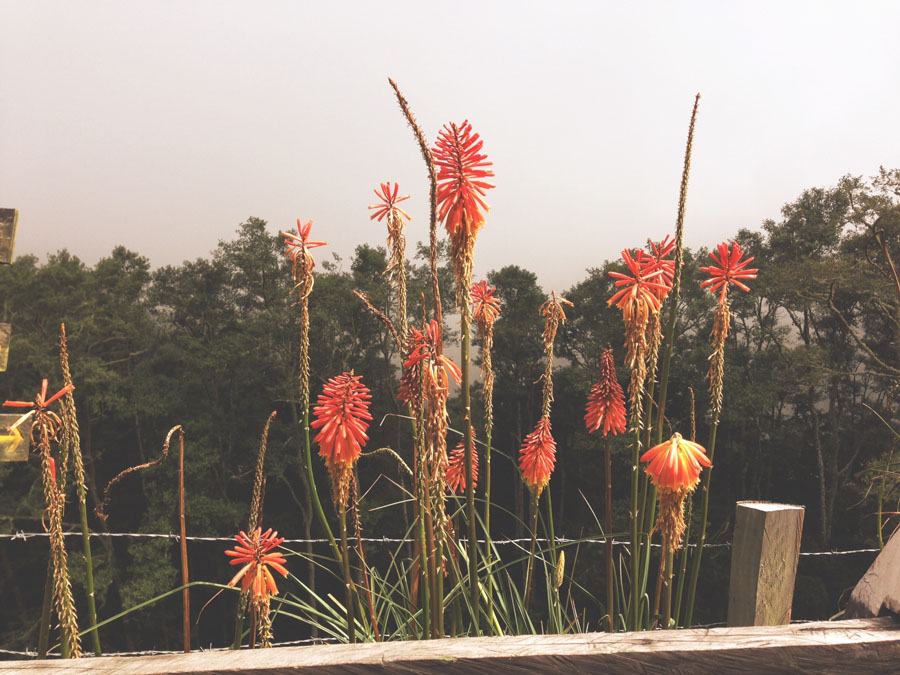
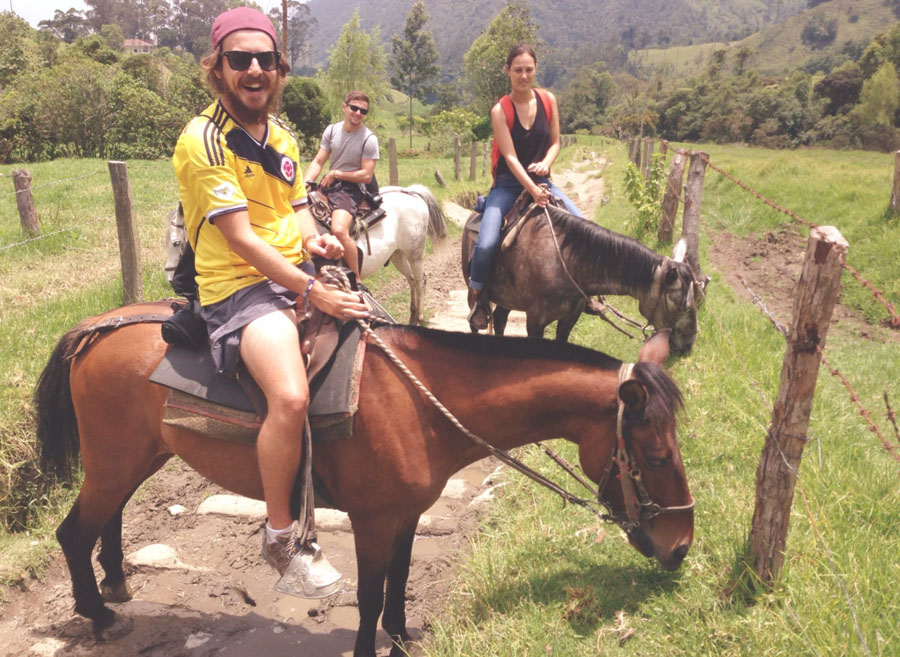
At night, we went to play “tejo”, a traditional game with heavy metal pucks and exploding gun powder. On my last night there, I was convinced by someone at the hostel to go to an ayahuasca ceremony which proved to be culturally educational, but not life-altering as it had been advertised to me (more on this later). I would have stayed in Salento longer (maybe forever?) if a bus driver strike wasn’t due to start the next day. I said my goodbyes, and promised myself to visit this wonderful place again, and then boarded the overnight bus to Bogota
My Experience With Ayahuasca
It was Thursday night and I was inquiring about getting my laundry done at the hostel front desk. After discussing how to identify the magic mushrooms growing in the field out back with the two guys working, the discussion turned to ayahuasca. I must admit, up until that point I had never even heard the word ayahuasca, but what these two men were so enthusiastically describing sounded awesome. They talked about its healing powers, and its ability to change lives. One of them told me it made him quit smoking. There was mention of a beautiful ceremony with music – one that started at midnight and finished at noon the next day – and a high that gave you visions. I was sold.
Then by what seemed like a sign from above, they mentioned that there was a ceremony happening on the Saturday night and that I could drive down with them. I spent the next day googling. Turns out it’s a drug called DMT that is made from a brew of leaves and shrubs and administered by a shaman. The websites that I read recommended following a strict cleanse-type diet for two weeks prior, and to avoid things like smoking pot and sexual intercourse, in order to feel the full effect of the drug (at least I was covered for the no sexual intercourse part).
The big day arrived and I was more curious than ever to see what this whole thing was about. I was told to dress in white, warmly, and to bring a blanket. We left just after ten pm and arrived around eleven. The venue was a large, wooden veranda set in the middle of a finca. Inside, the floor was covered in thin mats, and the evening’s participants were scattered around, some quietly chatting and others mentally preparing themselves for what was to come. In the centre of the veranda where the floor was clear of mats, the shaman was busy at work preparing his instruments for the evening’s activities, a ritual which appeared to involve him shooing away the evil spirits by spitting on the different items with a special liquid. Meanwhile, a helper was distributing little black plastic bags to everyone in the room – you know you’re in for a good night when puke bags are preemptively passed out. I noticed the different age groups that were present; old, young and in-between – there were even a couple babies. After a quick meeting with one of the shaman’s helpers and then the shaman himself, the ceremony began. The shaman’s helpers formed a U-shape around him and reverently looked upon him, the rest of us followed suit by quietly finding places in seats or on the floor. It was midnight and we were over fifty in total, all silent save for the chanting voice of the shaman who alternated between speaking and cleansing/spitting on different objects and people. Meanwhile, a man with a Virgin Mary shirt quietly walked around the room swinging a thurible which filled the room with a musky odour, adding to the mystical ambiance.
That’s when things started to get weird. Suddenly the Lord’s Prayer was being recited in unison, and pictures of different religious saints were produced for admiration. While I pride myself on being an open-minded and tolerant individual, I felt like I had been duped into going to church, something my own parents haven’t been able to get me to do in years. When the praying and mini sermon ended, two lines were formed before the shaman’s magic potion table. One by one, we presented ourselves before the shaman to be handed a blessed and personally customized mixture of the two liquids he had before him. The participant would drink the cup, thank the shaman and quietly walk to their mat and lie down. I cannot describe to you the eeriness of this ritual. I felt like I was a part of the Peoples’ Temple and that I was about to drink the Kool-Aid and board the magic spaceship. I reminded myself that it wasn’t too late to back out, but my curiosity got the better of me and so I persevered until I was the one holding the communal drinking cup. I brought it up to my lips and drank the solution down in one foul gulp, then walked over to my mat and lay down. Over the next few hours, the Ayahuasca worked on me. My body felt lighter and my thoughts were uncontrollable. At times I thought I was merely having a lucid dream, but the visions were so strong and real, the presence of the drug was impossible to deny. I was in a field with wild flowers as tall as trees and as colourful as a summer’s sunset, running and frolicking alongside this really cute blond baby, and the freedom and happiness were real. And I could feel the sun shinning on my skin and even smell those giant flowers, and as I lost myself in those senses I was very rudely brought back to reality by the gut-wrenching sound of my neighbour vomiting. And then another person. And then another.
In a room of fifty people on ayahuasca, if you factor in two pukes per person, that’s a pretty constant symphony of vomiting all night long. It was the weirdest thing to experience, and the fact that no one else thought it was weird made it weirder. I sat up and looked around the room. The band was playing soothing music, the shaman was performing rituals and singing along, most of the participants were laying on mats in different states of passed out or puking, and a few were mingling around, hanging out. I scoped out my two friends and decided to join them on the male side of the room. Up until this point I had been able to keep everything down, but when my veteran ayahuasca friend Chris told me it was time to line up for a SECOND cup, I knew the future was looking grim for my unused plastic bag. Chris explained to me that vomiting was a good thing; it is seen as the evil leaving your body, a sort of cleansing, and very much part of the process, and that I would get more out of the experience if I could just “push myself”. Wanting to have a complete ayahuasca experience, I joined him in line. Sure enough, the minute I swallowed the up-chuck reflex was strong. Like a gazelle on fire, I stealthily leaped past my high friends and into the bushes outside, and with bulimic expertise silently expelled the contents of my stomach all over the bushes, pavement, socks and pants. To my relief, the taste of my vomit overtook the taste of the potion (just to give you an idea of how bad that stuff tasted). For me, that’s where the fun ended.
I spent the rest of the morning wanting to die. Finding the smell of the thurible smoke now asphyxiating, I found a spot in a hammock outside in the fresh air, and counted the minutes until the bus came to pick us up. Inside, the party continued. Those who weren’t on their second round of vomiting were sitting in chairs lined up in the middle having tobacco blown into their nostrils with a straw-like instrument. On my way to buy a lollipop from the vendor set up outside, I was convinced to try it. Reluctantly I let the straw into my nose, and immediately regretted the decision when my sinuses blazed in agony and my eyes watered in response. That was the last straw (no pun intended). I was officially ready to leave at this point, but everyone else was lining up for seconds and thirds of the nostril crack. It was almost noon at this point, and I was completely baffled by the level of energy at this gathering. The shaman was still up and about, exorcising spirits from people and chanting, the helpers and the rest of the group, %100 of whom were surely dehydrated from the self-inflicted flu, were dancing and socializing. Even the kids, whom I was told were also administered ayahuasca, were bouncing off the walls. I returned to my hammock and bided my time, promising myself to never forget this awful sensation lest the temptation to do ayahuasca again were ever to come upon me.
It took me two days to feel normal again (although I did look great in a bikini that week). Having said all this, I still don’t regret my experience. It was a very culturally interesting one, and although the visions I had were not the life-changing type, they were moving and memorable. It was also incredible to see a shaman at work and in his element. These men are chosen as little boys and are sent to live with a shaman at age ten to be trained in all things holy. The passion and dedication is evident in the shaman and in the followers as well. Many people at the ceremony really benefit from these ceremonies, it is where they heal and grow and connect with the forces that be. It’s their religion, for lack of a better word. While the tone of this article may suggest otherwise, I do have a lot of respect for this system of belief and peaceful way of life. Having said that, I also know that it is definitely not for me. Would I recommend it to anyone else? Sure! Just because the experience didn’t resonate with me, doesn’t mean it wouldn’t for someone else. Just don’t forget your puke bag.
Follow Carina Antoinette on Twitter @carinantoinette & Instagram @carinaantoinette